 Training
How to Boost Your Metabolism With Cycling Training — What Actually Works
Resting metabolic rate depends mostly on muscle mass and consistent high-intensity training, not diet tricks. A well-planned training block is the real lever.
 Gear & maintenance
Buying a Used Bike — What to Check Step by Step So You Don't Buy a Problem
A used bike can be a great deal or an expensive mistake. The costliest faults rarely show in a listing photo, so an in-person check is mandatory.
 Nutrition & hydration
Cow's Milk Alternatives for Cyclists — What Actually Matters
Cow's milk is a cheap, protein-dense post-ride staple. Not every plant milk matches it — the protein content is what counts, not the label.
 Nutrition & hydration
Cycling Under the Influence — What the Rules Say and What It Costs Your Fitness
A bike is a vehicle under most traffic laws, so drink-riding carries real legal risk. It also costs more in VO2max and recovery than one bad ride.
 Health & recovery
Cyclists and Physical Therapy — Why Regular Massage and Stretching Aren't a Luxury
Cycling is a single repeated movement pattern with none of the natural variety that balances load in multi-plane sports. That creates predictable overuse patterns.
 Training
Desk Job, Cyclist's Body — How Not to Lose What You Build on the Bike
Training 8-10 hours a week while sitting 8 hours a day builds fitness on one front and erodes it on the other. Here's what sitting does to your position and power.
 Gear & maintenance
First Road Bike Over 100 kg — Will Carbon Hold Up and What to Actually Check
A manufacturer's rider weight limit is real engineering spec, not legal caution. Above 100 kg, wheels matter more than frame material.
 Health & recovery
First Spring Enduro Ride — How to Start the Season Without Getting Hurt
The first enduro ride after a winter break is statistically one of the season's most common injury moments — technical reflexes fade faster than aerobic fitness.
 Data & metrics
Four Months on a Smart Trainer — What It Really Does for Fitness When You Return to the Road
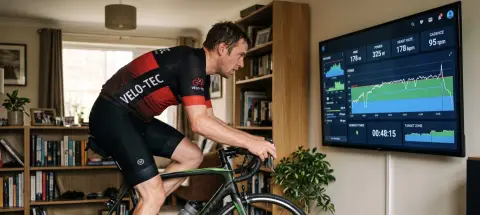
A season of structured indoor training raises FTP and VO2max comparably to outdoor riding, provided volume and intensity stay consistent.
 Training
Returning to Training After Winter — How to Build a Plan Without Resetting Your Form
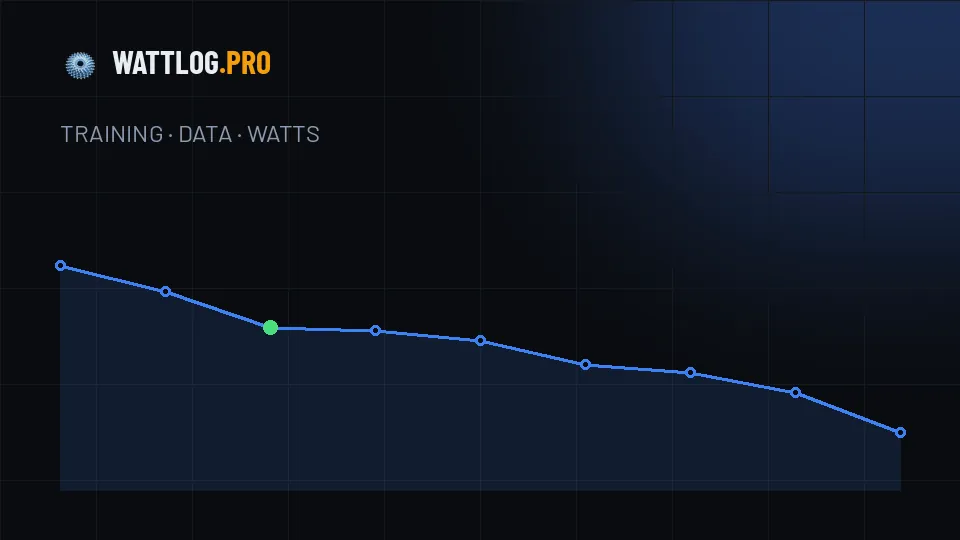
Coming back after a winter break isn't picking up where the last season ended. CTL has really dropped, and rushing intensity is the top cause of spring overtraining.
 Data & metrics
Spring Fatigue and Training — Why Power Drops in Spring Despite a Good Plan
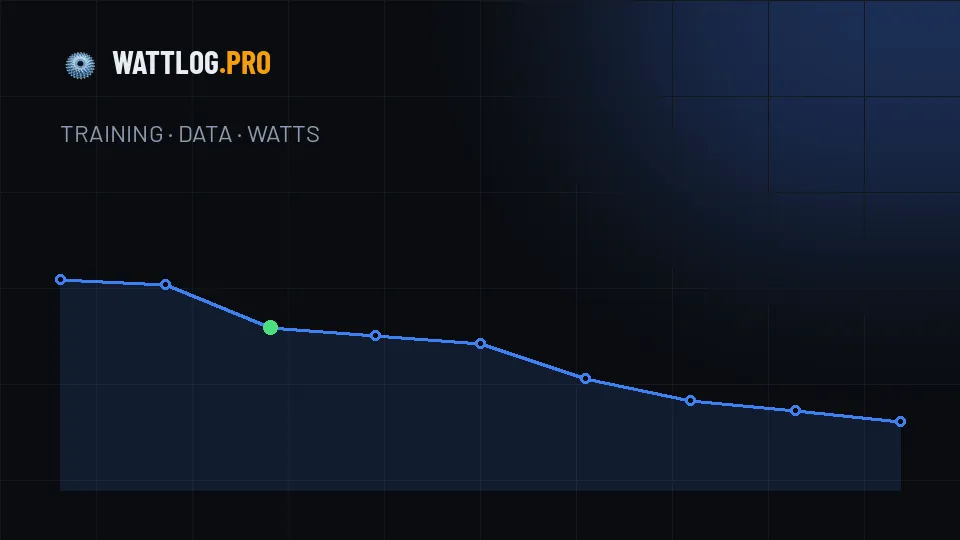
Spring fatigue is a real physiological effect from circadian shift, low vitamin D, and pressure swings. It's easy to mistake for overtraining, but they need different responses.
 Nutrition & hydration
Sunlight and Vitamin D in Spring — the Real Effect on Performance, Not Just Mood
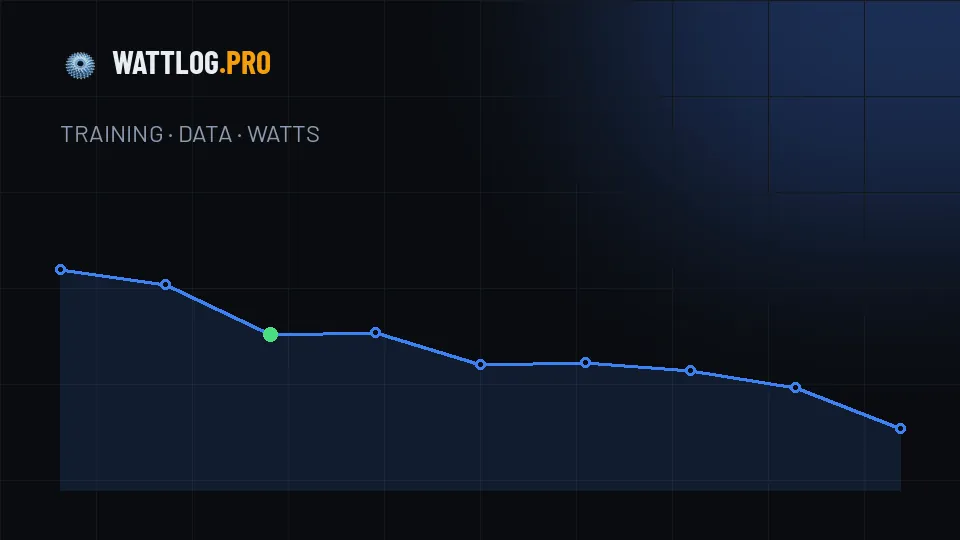
Vitamin D regulates muscle contraction, calcium absorption, and immune function — and most people finish winter deficient. Here's the mechanism and the dosing.