Lack of Motivation to Train — How to Get Back on the Bike Without Quitting
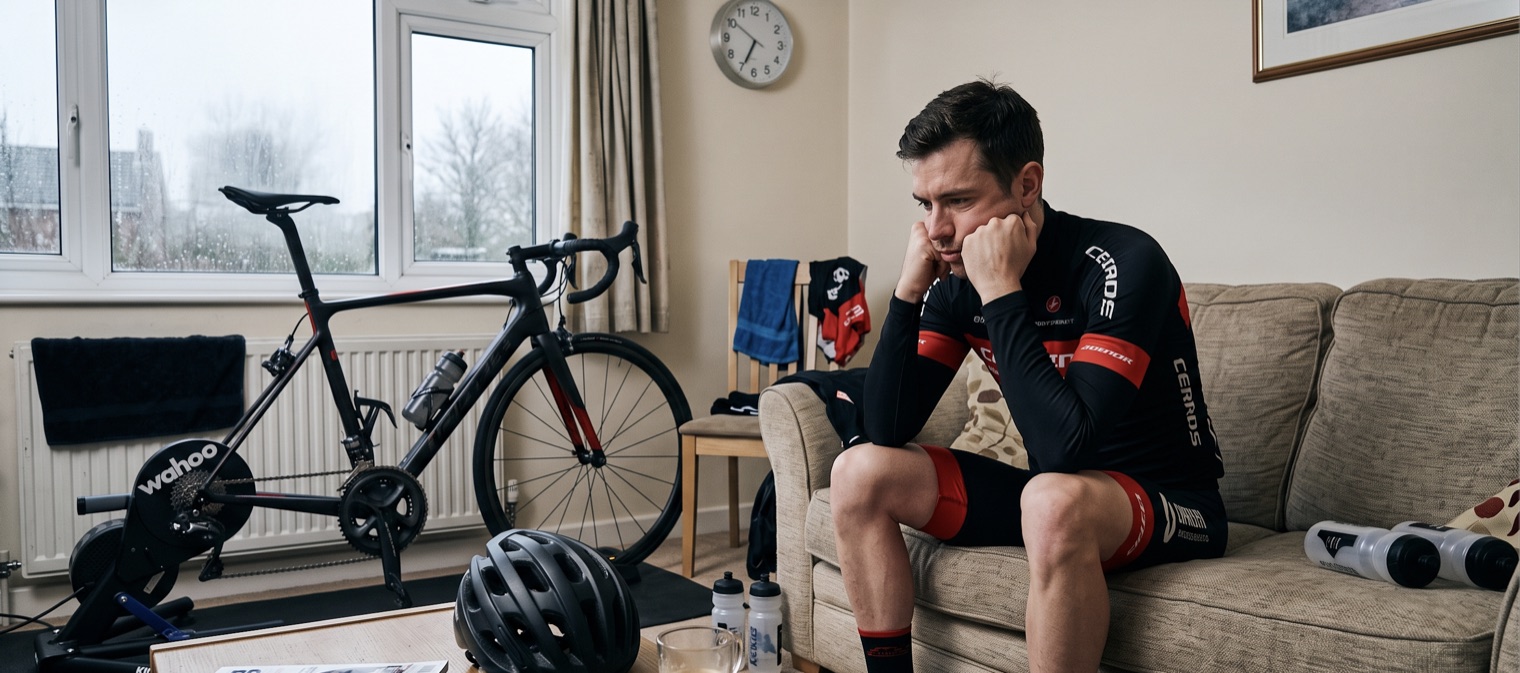
Low motivation isn't shameful — it's a normal part of training. Even pros have days the bike looks like a torture device. The difference is what you do with the feeling, not whether you have it.
Why motivation drops
- No visible progress — you've trained for weeks and TSS and FTP aren't moving. Frustrating, but cycling progress is slow — changes show up over months, not days.
- Monotony — the same routes, the same intervals, the same garage wall on the trainer. Your brain needs novelty.
- Overtraining — paradoxically, training too hard kills the desire to train. If TSB is deeply negative, your body signals "enough" through a lack of motivation.
- Life — work, family, stress. The bike isn't the only thing in your life, and sometimes other things take priority.
What actually works when motivation is low?
Set a small goal instead of a big one. "I'll ride the Tour de France" is a dream, not a goal. "Three 45-minute sessions this week" is a goal — small, concrete, achievable. Every completed session gives satisfaction that fuels the next.
Does changing something in the routine help?
Yes. A new route, different music, morning instead of evening, riding with someone instead of solo. Novelty breaks routine. On the trainer, try a movie instead of staring at numbers.
Trust the data over your feelings
Feelings lie, especially before a workout. Look at your PMC chart instead: if CTL is climbing, the training is working, even if you don't feel a difference. Data doesn't have moods.
Should I take a deliberate break?
A week off the bike won't destroy your fitness. CTL will drop a few points, but you'll come back mentally stronger. A guilt-ridden break doesn't help recovery — a planned one does.
Find a group and reward yourself
It's hard to bail when someone's waiting for you at 6:30 am. Group riding adds a social element solo training doesn't have — Discord, Strava, a local club, there's no shortage of options. And reward yourself, not with food but with something you enjoy: new socks after ten sessions, a coffee at your favorite spot after a weekend ride. Small, regular rewards.
When is low motivation a warning sign?
If it persists longer than 2–3 weeks and comes with fatigue, sleep problems, and irritability, those can be signs of overtraining. The answer then isn't "push through" — it's "back off and rest."
Train smarter with WattLog.pro
WattLog.pro collects data from your trainer and shows what's really happening with your fitness.
Try WattLog.pro for free →